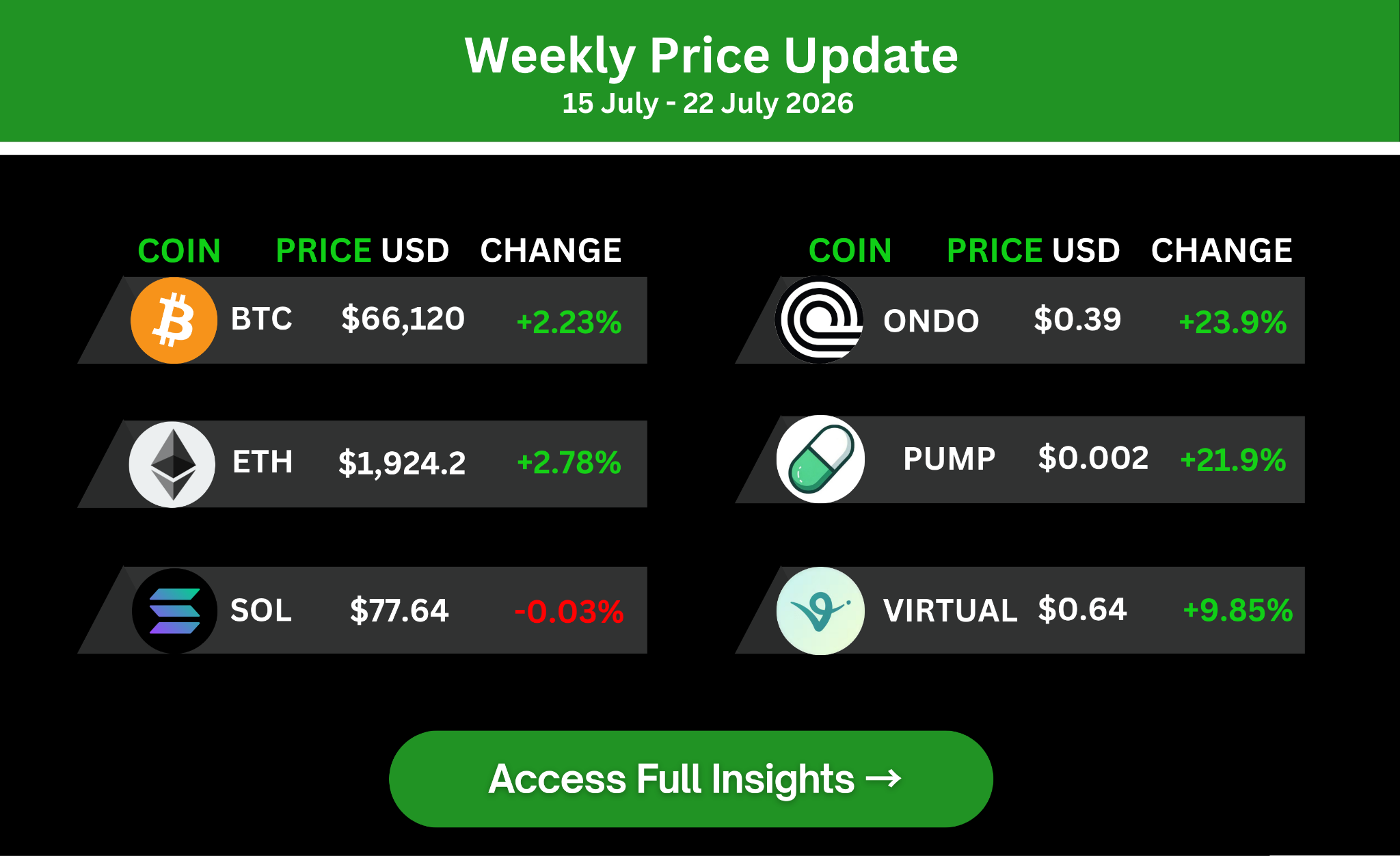
Strong Resilience as Bitcoin Hits a 34-Day High
Bitcoin and the majority of the market pushed higher this week, with BTC making a 34-day high at $66,800 while Ethereum reclaimed the key $1,800 level. What makes the move notable is the backdrop it happened against — the US-Iran conflict intensified, odds of a rate hike increased, and the chances of the Clarity Act passing dropped. Any one of those would typically weigh on risk assets, yet crypto pushed through all three. That is genuine resilience, and it tells you something about the underlying strength beneath the surface right now. There is a lot to dive into below.
Pump.fun Rips 20% — The Setup We've Been Watching
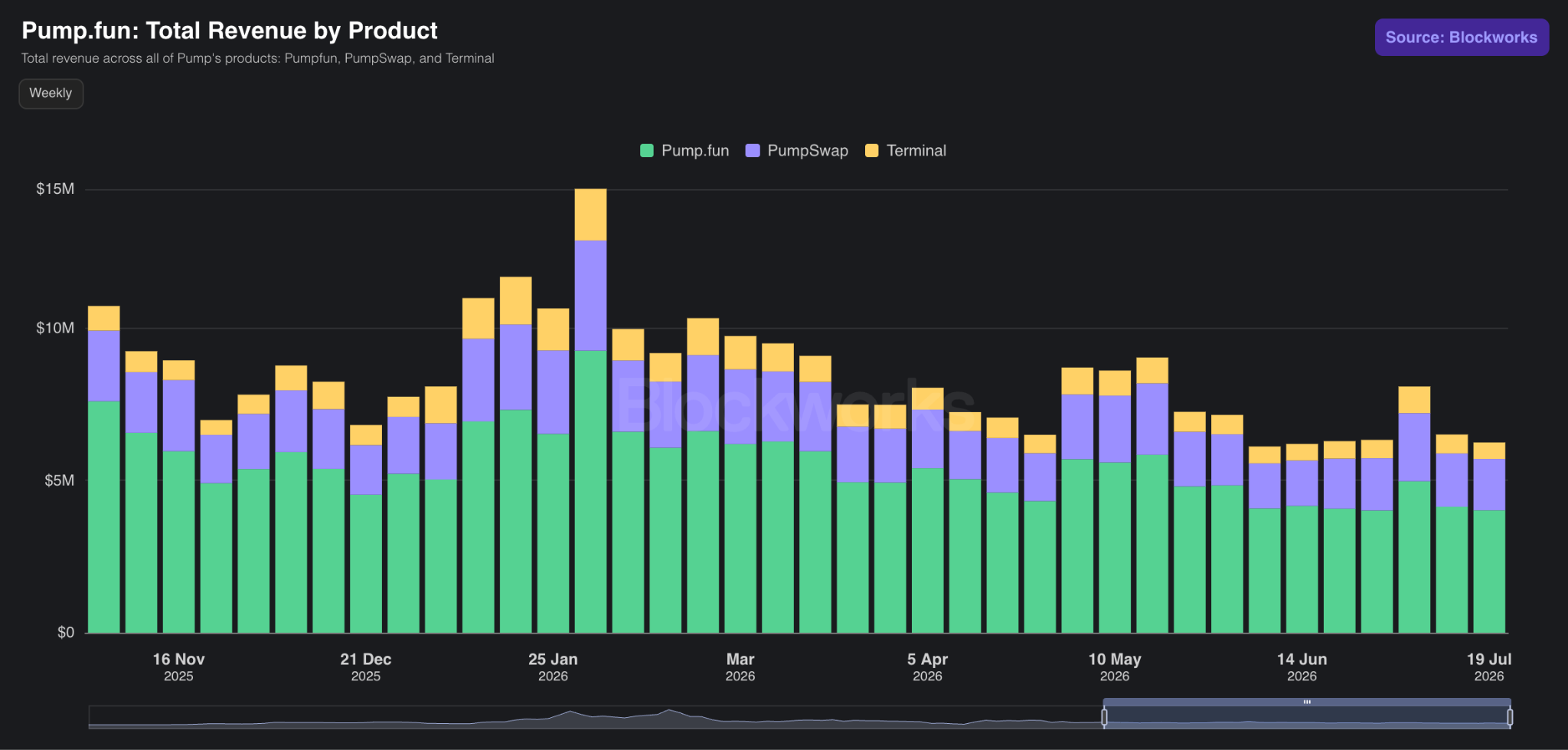
Pump.fun was one of the standout movers this week, rallying over 20% on the back of growing speculation around a potential airdrop that could put hundreds of millions into the hands of active ecosystem users. Influencer Ansem also put out a thread on his thesis that echoed almost everything we've been saying about PUMP for months. The core of it is simple, this is a genuine cash-generating machine. Pump.fun is earning $30-50 million per month in revenue, and it's doing that in the depths of a bear market, which is extraordinary for any crypto project.

Roughly $170 million in tokens was unlocked earlier this month to investors and the team, and rather than buckling under that supply, the price rallied straight out of it, a strong sign of underlying demand absorbing the sell pressure. So if the fundamentals are this strong, why has the token lagged? In our view the single biggest disconnect is the distrust between the team and the community, which has been capping the price. The market simply hasn't been convinced that value will flow back to holders and users rather than staying with the team and insiders. The important part is that this is fixable. It comes down to better alignment, and the clearest starting point is rewarding the core users who actually built the platform's activity in the first place, which is exactly what an airdrop would signal. Close that trust gap, and the disconnect between a business earning tens of millions a month and a token that hasn't reflected it becomes very hard to ignore. We took a deep dive into precisely what Pump.fun needs to do to re-rate from here, along with the technicals and levels we're watching, all available now inside UpTrade Alpha.
Virtuals Protocol: AI Agents & the Robinhood Chain Catalyst
Virtual is a platform for launching AI agents as tradeable, ownable assets, instead of AI just being a tool you use, it becomes something you can create, fund, and own a piece of. Anyone can spin up an agent, raise capital for it, and let it go do things on-chain, whether that's trading, running a strategy, or providing a service, with the revenue flowing back to whoever holds it. Think of it as infrastructure turning AI agents into small economic actors with their own wallets and jobs, rather than just chatbots.
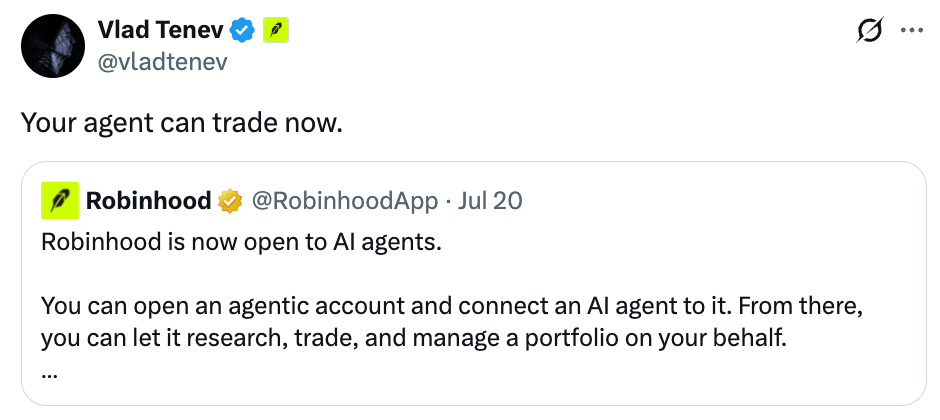
The big catalyst has been Robinhood Chain. When Robinhood launched its own blockchain on July 1, it built Virtuals' agent infrastructure in from day one, meaning anyone can create an AI agent that trades tokenised real-world assets like NVDA stock or ETFs right alongside crypto, all in one place. That infrastructure went fully live on July 10, and VIRTUAL jumped around 20% on the news. In the first two weeks alone, 2,400 agents went live on the chain, generating $150M in trading volume. It's early and some of the price action is clearly speculative, but this is the first real bridge between a mainstream consumer finance app and the agent economy, a big distribution unlock if Robinhood's user base engages at scale.
NEAR Protocol: Quantum-Safe Mainnet Upgrade + Intents
NEAR just became the first major blockchain to switch on quantum-safe security for its entire network, meaning transactions are now protected against future quantum computers, not just today's hackers. This matters because quantum computers are advancing faster than expected, and experts estimate around $470 billion worth of Bitcoin could eventually be at risk if nothing changes. Most major chains, including Bitcoin and Ethereum, know they'll need this kind of upgrade eventually but are still years away from having it ready. NEAR was able to get there first because of how its accounts are designed, switching to the new, safer security is simple and doesn't require users to move funds or change wallets.
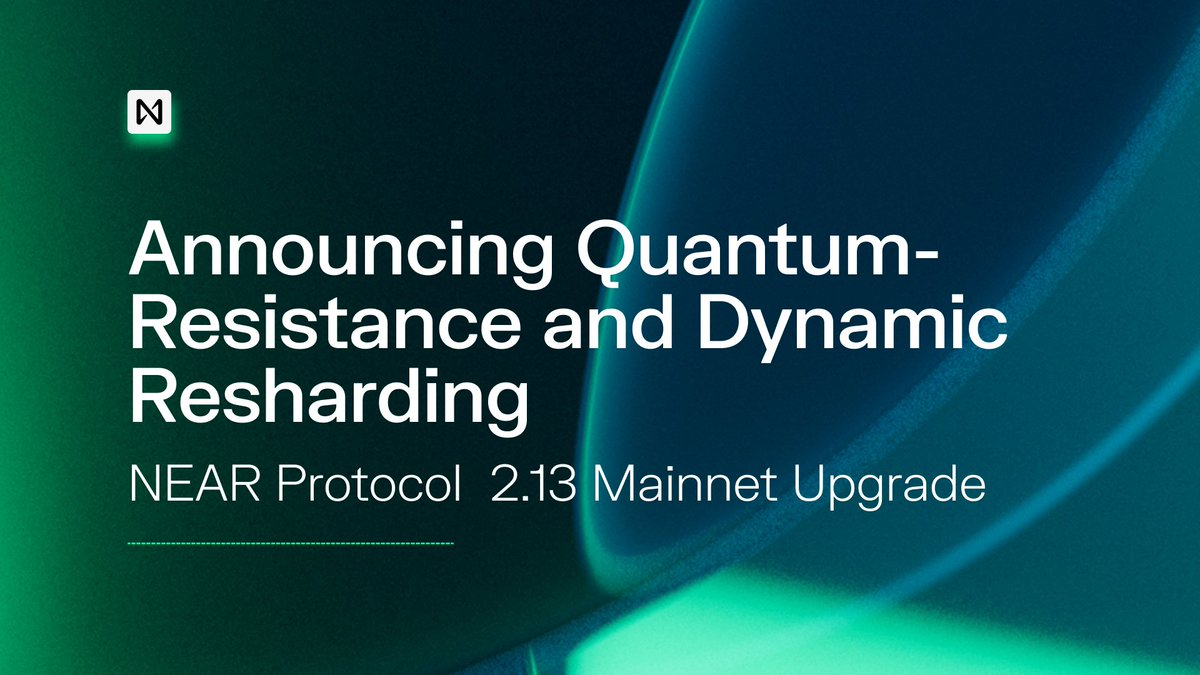
NEAR is now ahead of the pack on a security issue the whole industry will eventually be forced to deal with, which is a real credibility boost heading into a period where "which chains are actually safe long-term" becomes a bigger question for investors.
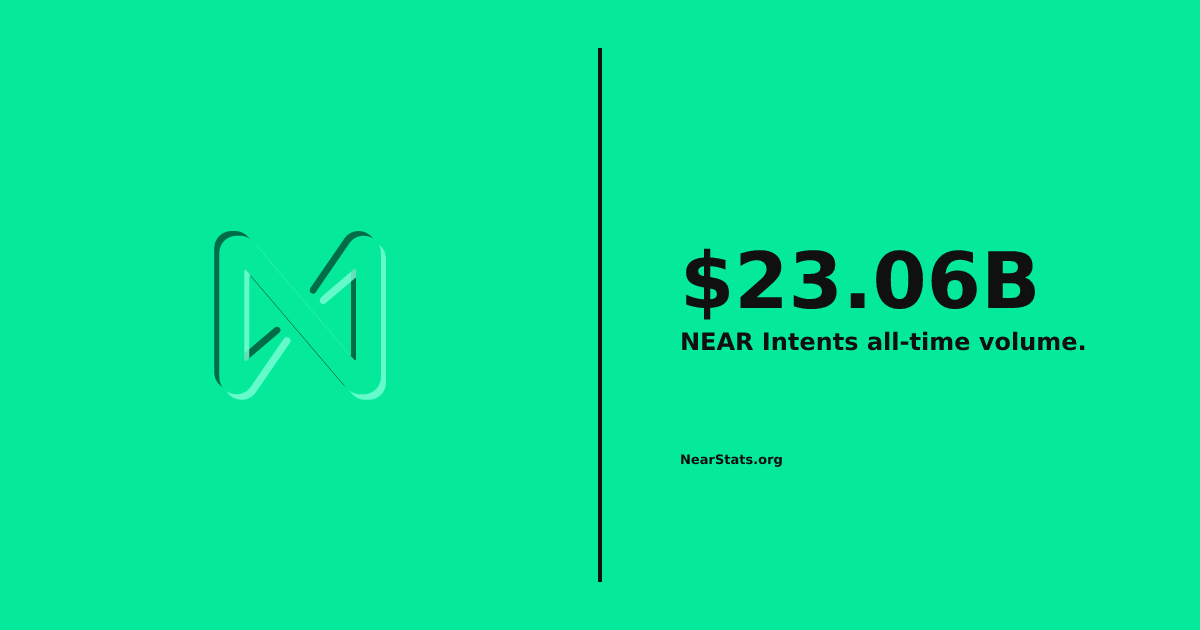
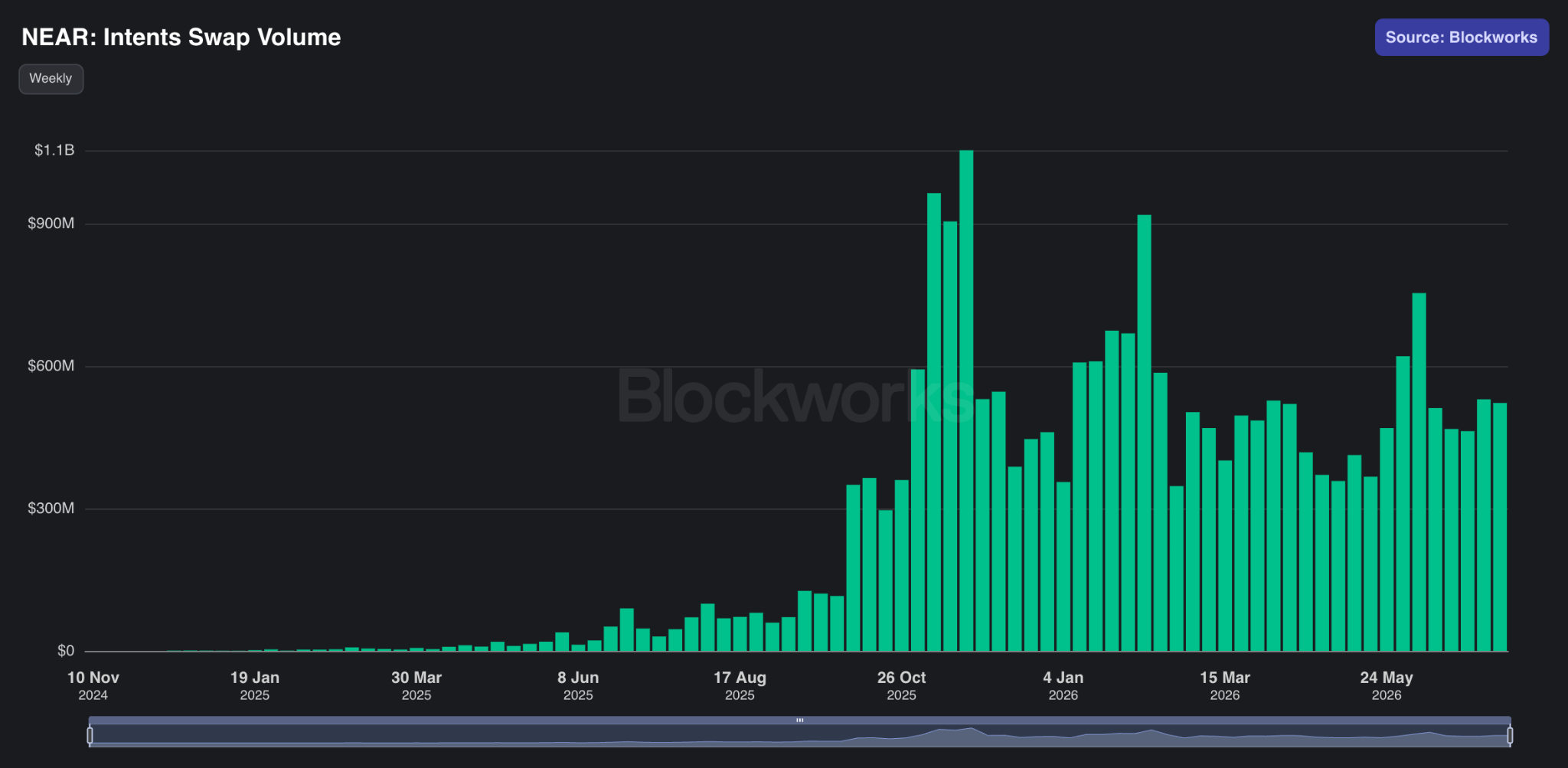
On the money side, NEAR's other big story is that it's steadily becoming more scarce. The network runs a service called NEAR Intents, which lets people swap assets easily across different blockchains (public or private transactions), and it's growing fast, having just crossed $20 billion in total activity, up from $10 billion in January and $5 billion back in November. Every time someone uses it, the fees collected are used to buy NEAR tokens directly off the market, and on top of that, NEAR cut the rate at which new tokens are created almost in half last year. Together, these two things mean fewer new tokens entering supply and steady buying pressure from real usage. Activity isn't quite high enough yet to make NEAR fully "supply-shrinking" day to day, but it's trending in that direction, and it's a good sign when a token's price is being supported by actual usage and revenue rather than hype or promises.
The Clarity Act — The Catalyst the Market Is Underpricing
The Clarity Act is the major US crypto market structure bill that would finally define who regulates what, largely handing the CFTC authority over most digital assets while the SEC retains oversight of securities. In plain terms, it would end years of regulatory uncertainty, open the door to far greater institutional adoption, and position the US as the global home for crypto. The bill has real momentum, the House passed its version last year, the Senate Banking Committee advanced it in May, and there is now a push to get it through the Senate before the August recess. Miss that window and it likely slips to 2027 given the midterms, so the next two to three weeks are critical. Prominent voices are still bullish, with Bitwise's CEO noting in the last day that "for many months the market was overestimating the odds that Clarity would pass, now it's underestimating those odds," adding that "if this thing passes, winter is over."
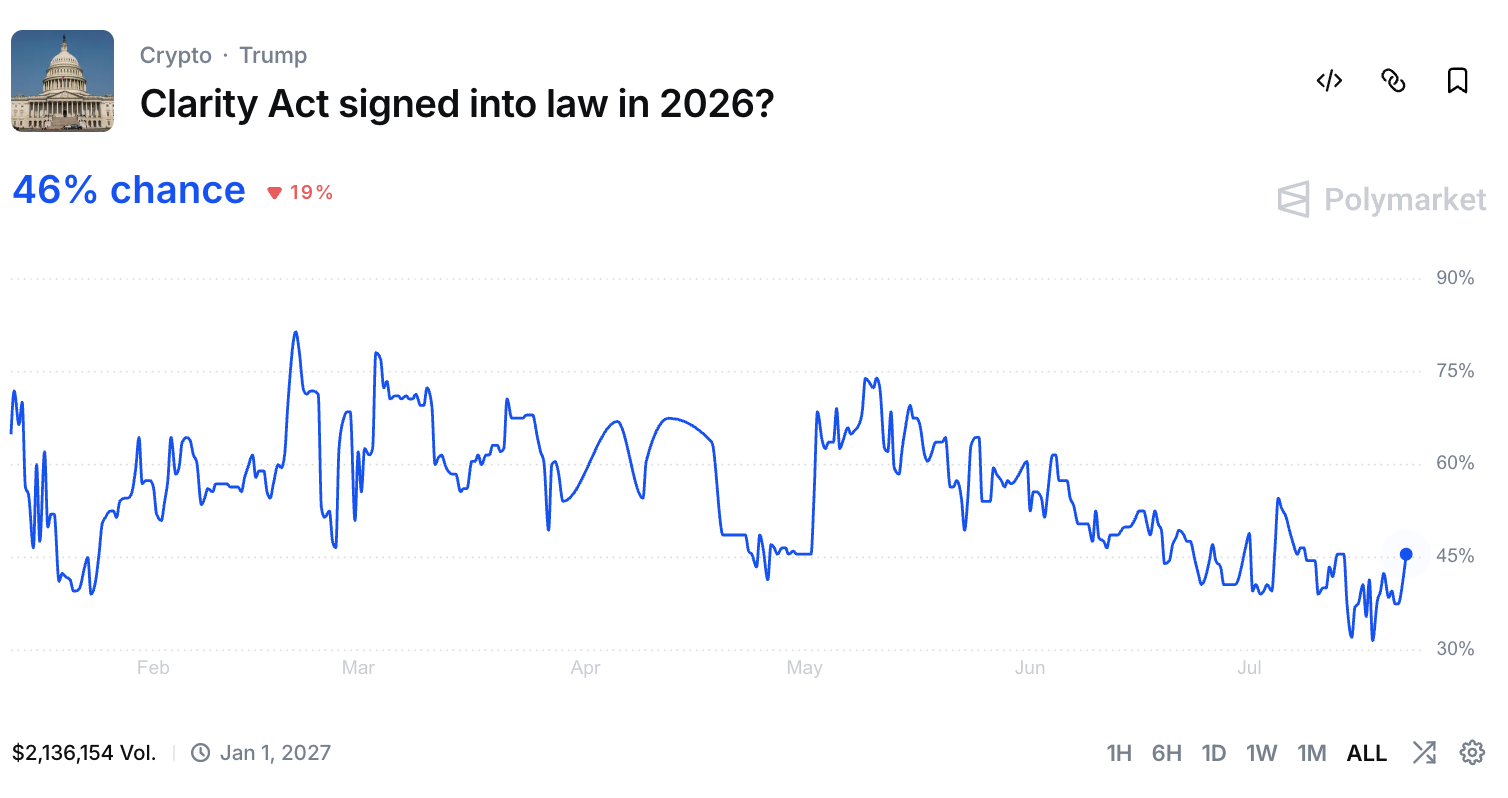
Polymarket currently prices the odds at around 46%. In our eyes, a roughly 50/50 read feels accurate given how much still has to fall into place in a short window. Either way, it's shaping up as one of the most important catalysts on the horizon. A current remaining sticking point is around ethics provisions. Democrats are pushing for strong conflict of interest rules that would restrict senior government officials, including the President, Vice President, and members of Congress, from holding or profiting from certain crypto assets and businesses. This is largely driven by concerns over President Trump and his family's own crypto activities, from memecoins to World Liberty Financial. Trump met with Republican senators at the White House on July 16 to try to resolve the language and has publicly urged the Senate to pass the bill, but he has not fully agreed to the Democrats' preferred restrictions, and negotiators are still working on compromises. This ethics dispute is a major reason the bill hasn't reached the floor yet, even though supporters insist it's otherwise almost there.
Plasma One Hits Record Highs on Android Launch
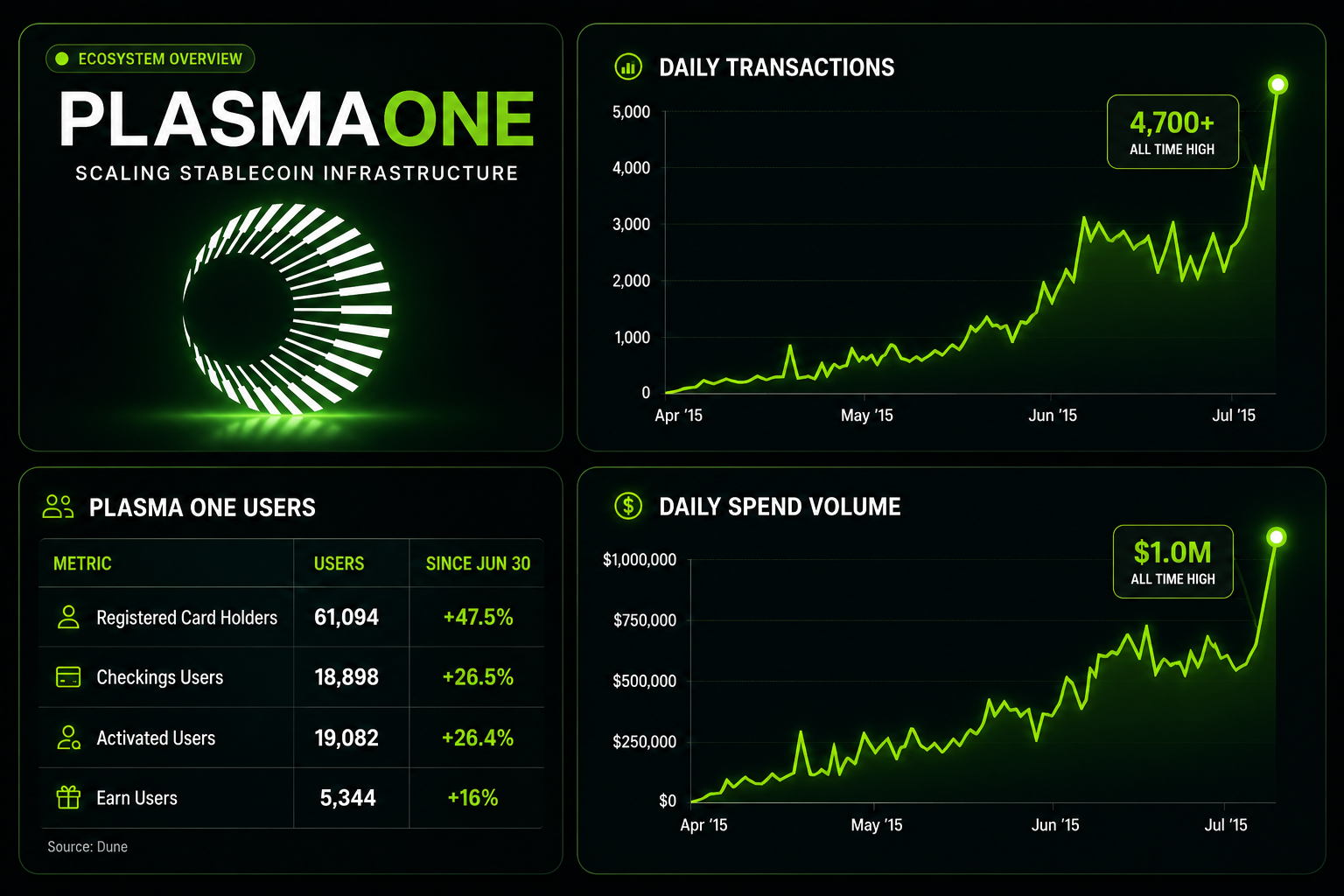
Plasma One has gone from strength to strength since launching on Android, with every major metric now printing new all-time highs. July 19 was a record-breaking day for the app, with around 4,641 transactions, roughly $980,000 in spending volume, and a new all-time high in user registrations. Encouragingly, the growth looks healthy rather than a flash in the pan, all key metrics are climbing together, driven by steady organic adoption rather than a handful of large users inflating the numbers. Notably, card spend volume has stepped up to a sustainably higher level since welcoming Android users, with demand measurably more than double what it was among iPhone users, something the team had flagged in advance.
This fits a much bigger trend we've been tracking all year. Spending via crypto cards has been increasing across every metric, month on month, making it one of the genuine success stories in the space right now. As stablecoins and on-chain payments move further into everyday use, real people spending real money through crypto rails is exactly the kind of tangible, growing adoption that underpins the broader tokenisation narrative, and Plasma One's Android momentum is a strong example of it in action.
General information only. This article is for educational purposes and does not constitute financial, investment, legal or tax advice, nor a recommendation to buy, sell or hold any asset. Cryptocurrency is a high-risk asset and you should consider your own circumstances and seek independent advice before making any decision. UpTrade does not make price predictions.

Market updates, new explainers and the occasional Alpha Pro report, sent once a week. Unsubscribe anytime.